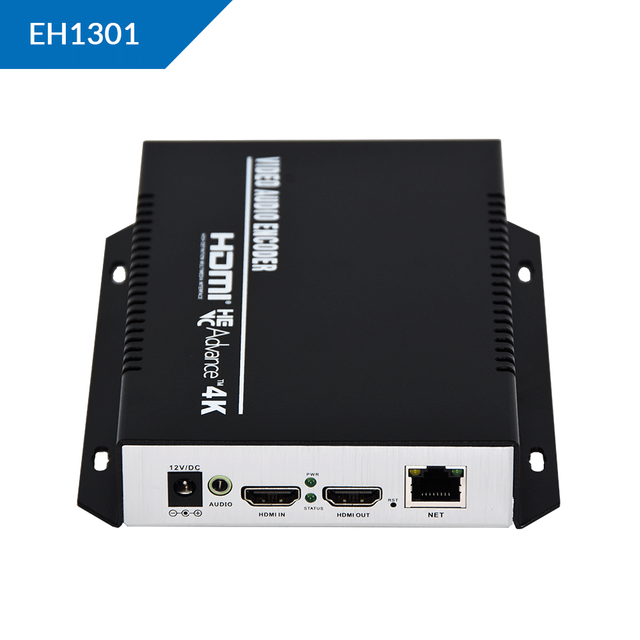
H.265 HDMI 4K Ultra HD Video Encoder
ZY-EH1301
- 4K@30Hz Ultra HD
- HDMI+VGA dual interface
- HTTP/RTSP/RTMP/SRT
- Onvif/GB28181 support
Supports H.265 efficient encoding, suitable for various scenarios such as live streaming, meetings, monitoring, medical care, etc
ZY-EH1301
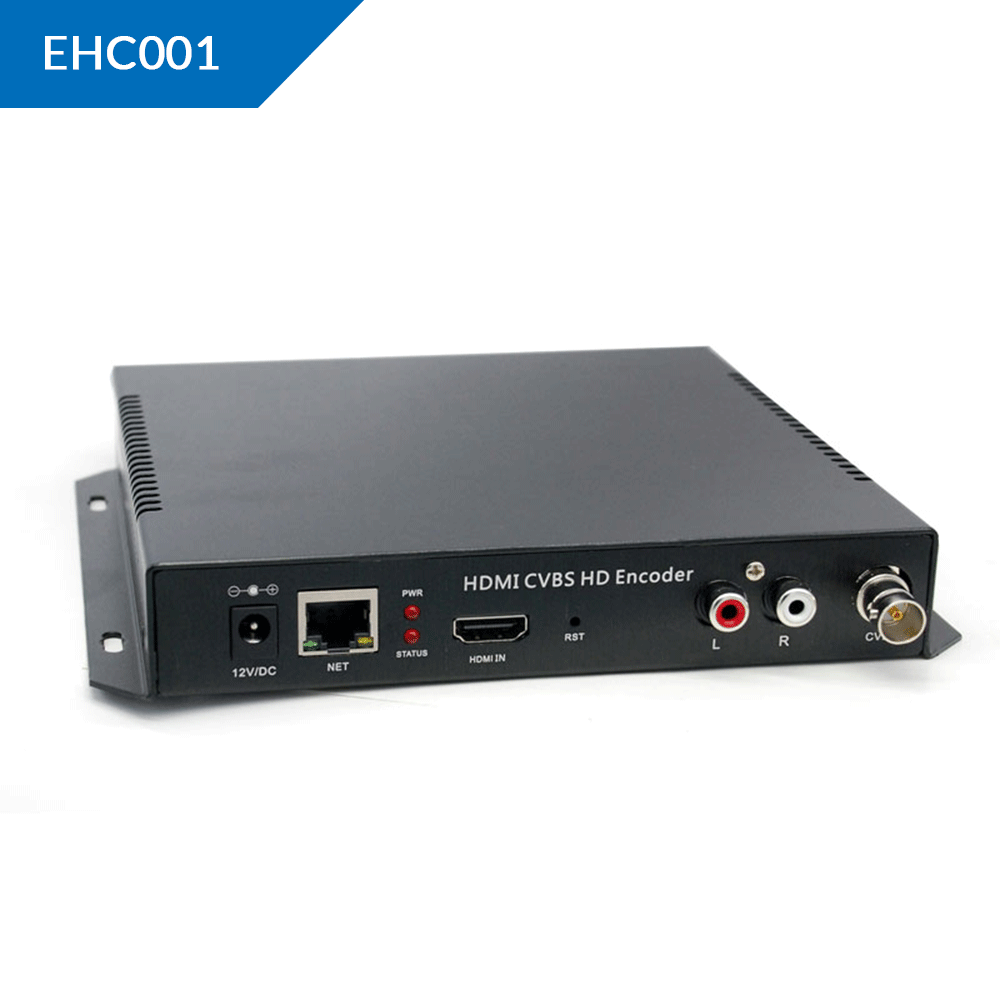
Model EHC001
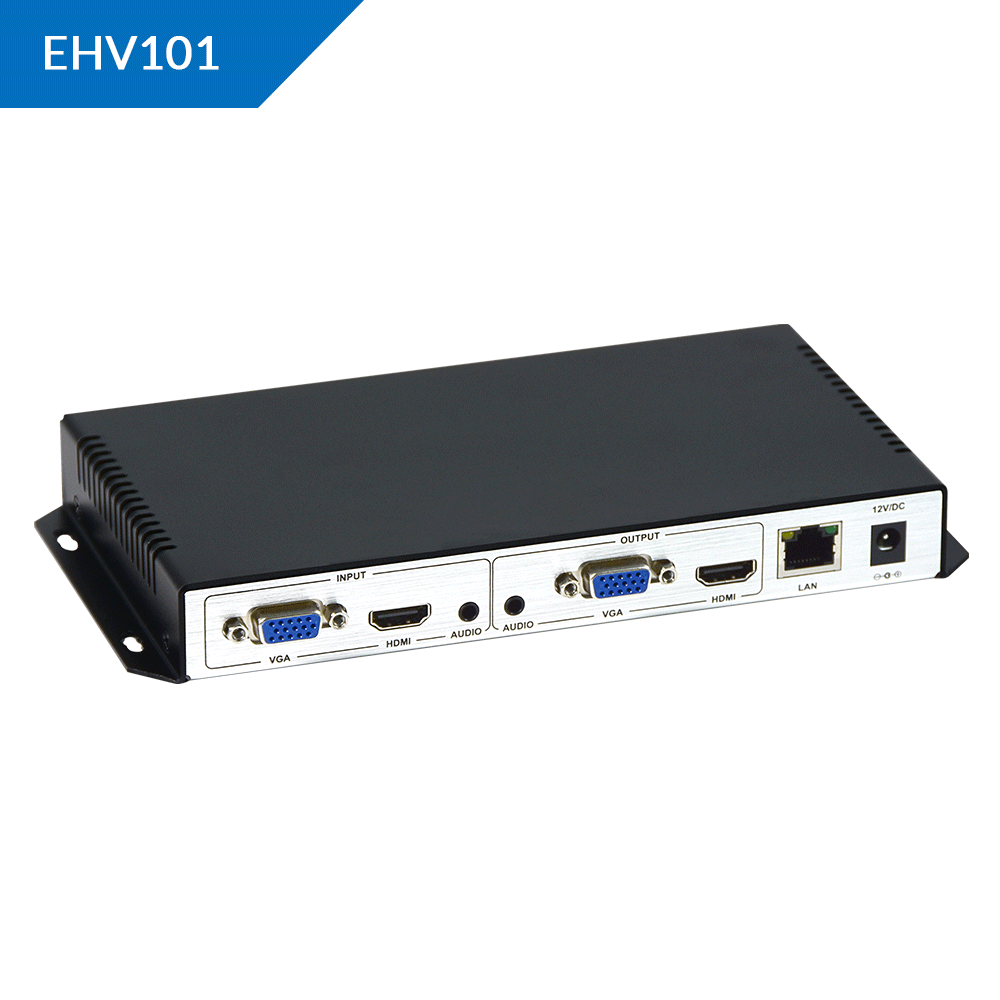
Model EHV101
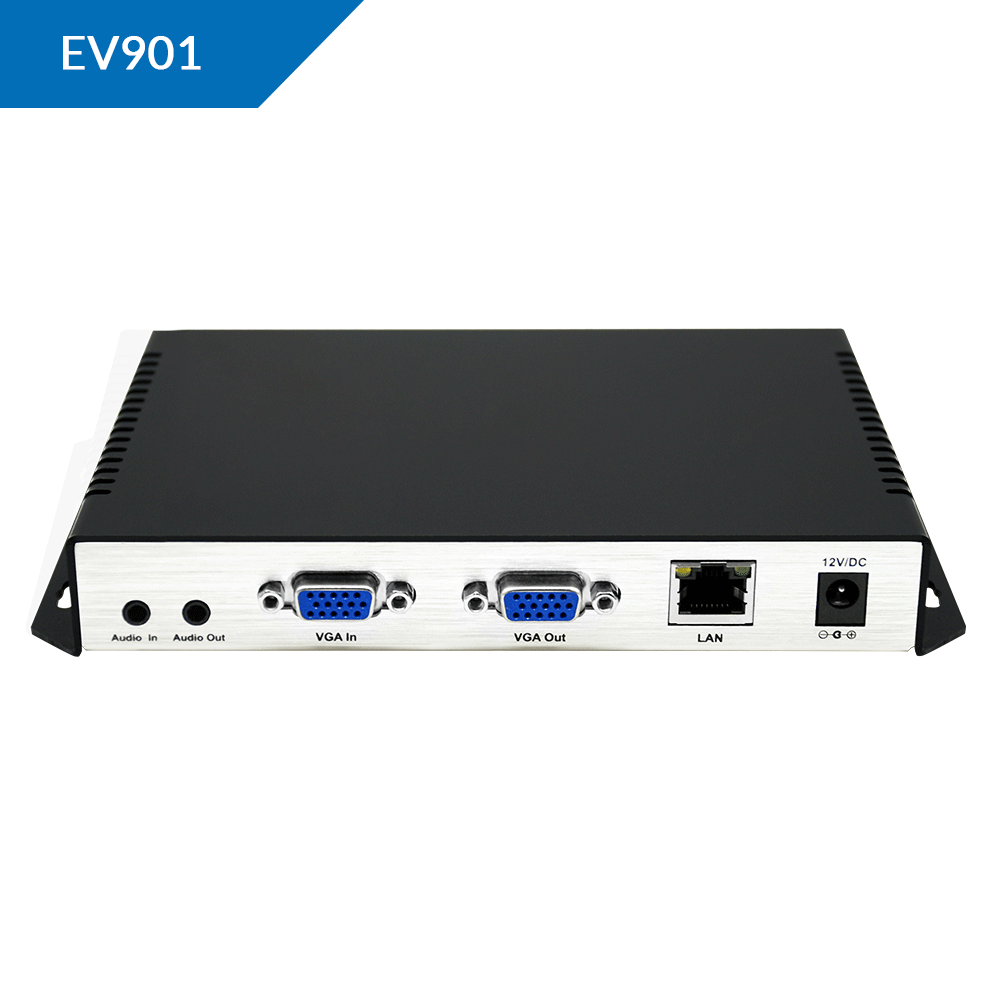
Model EV901
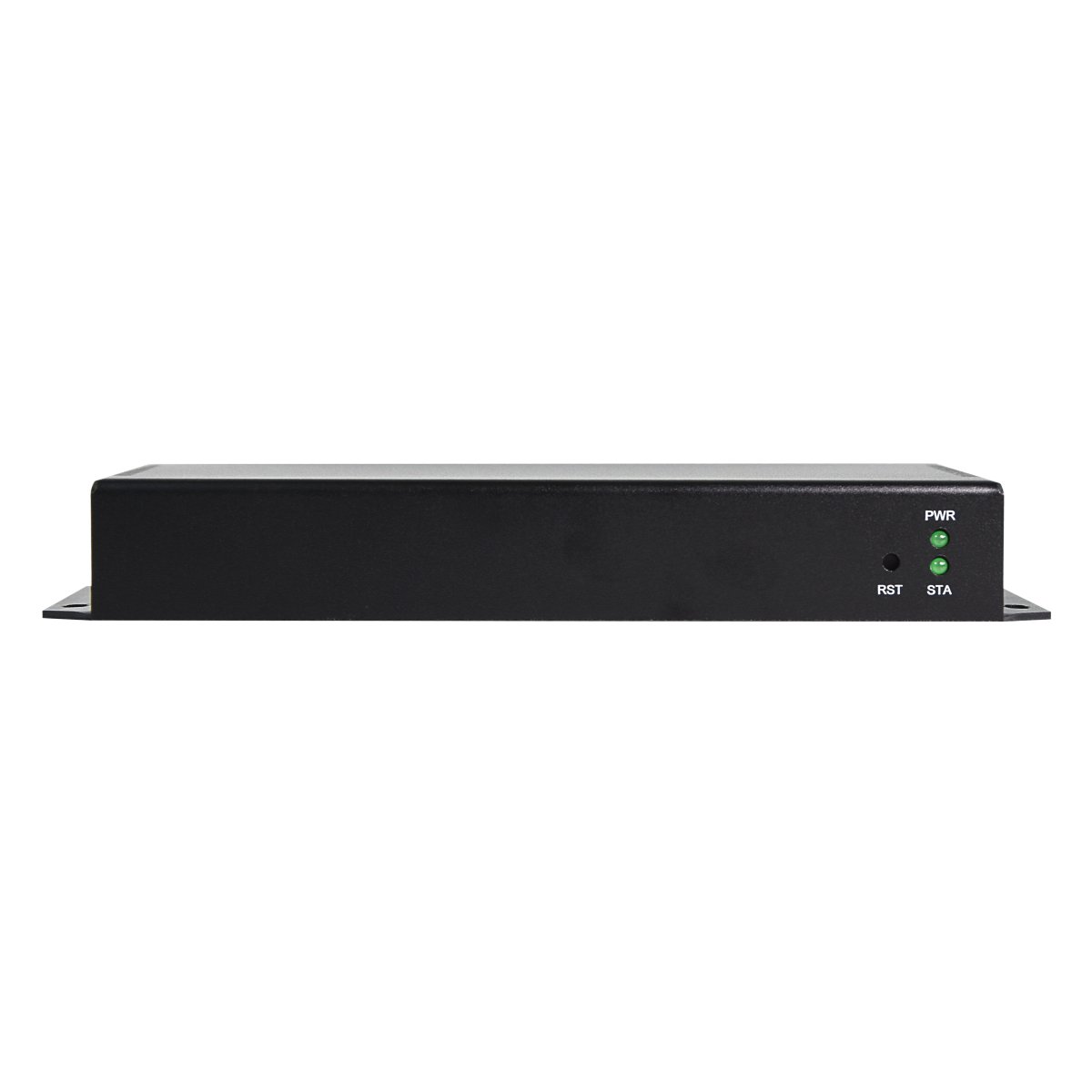
ZY-EV1201
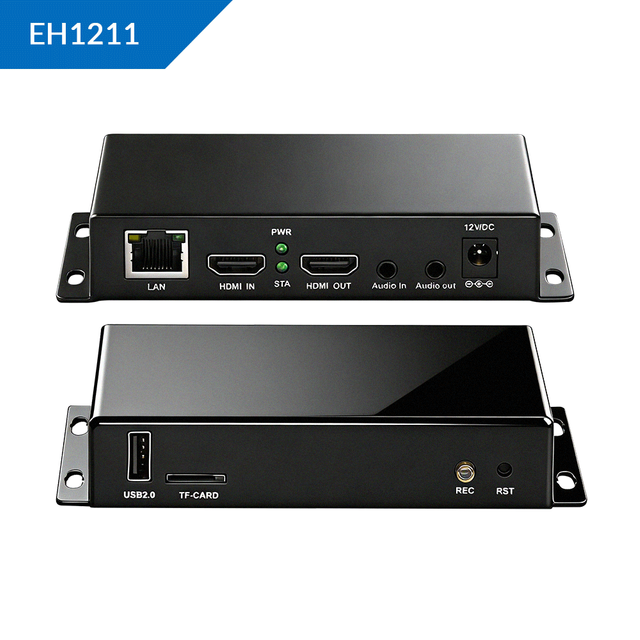
ZY-ES1401
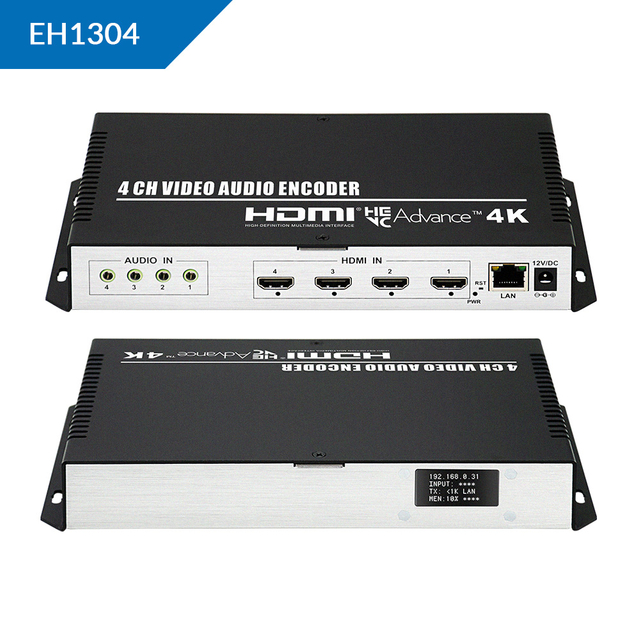
ZY-EH1304
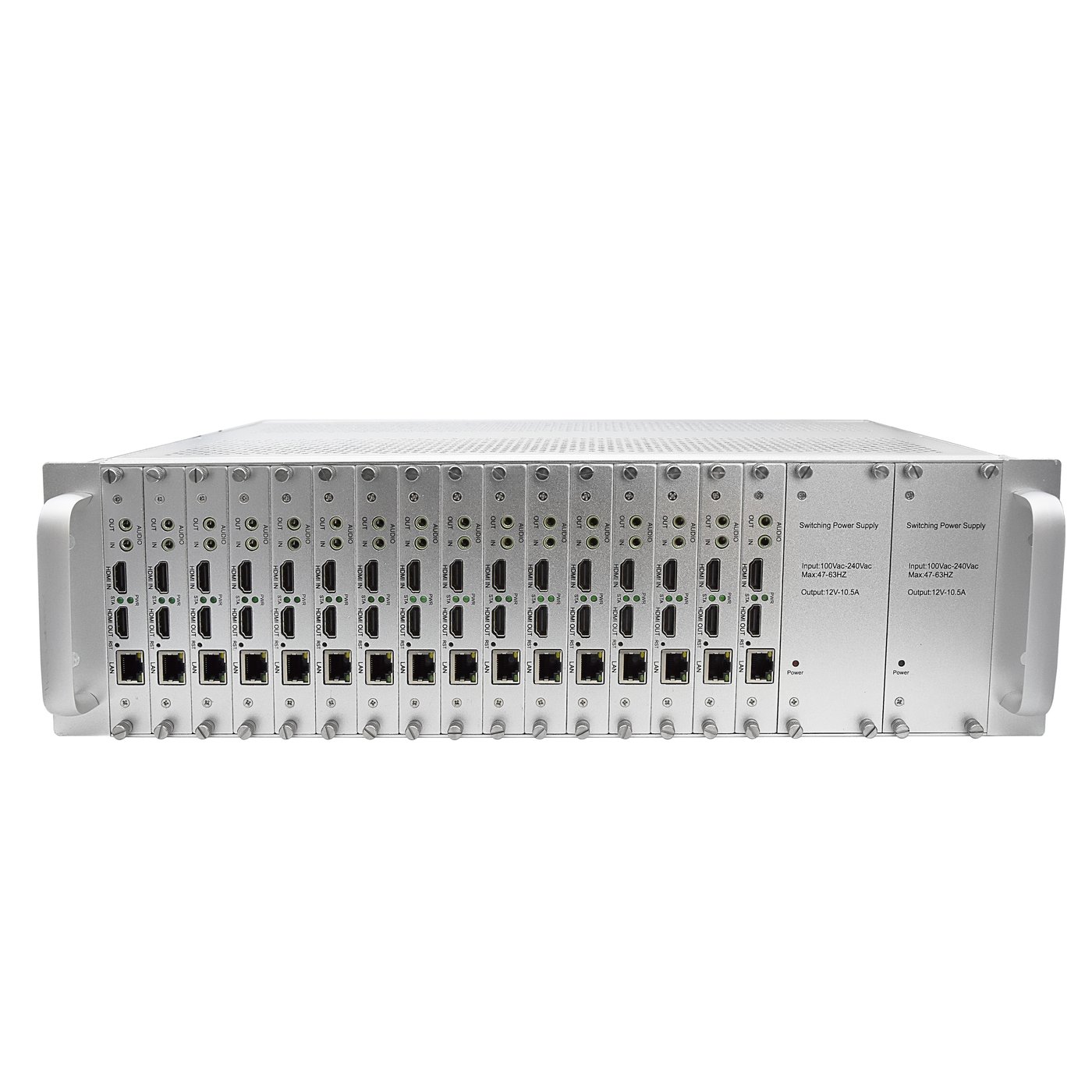
ZY-EH1416-3U
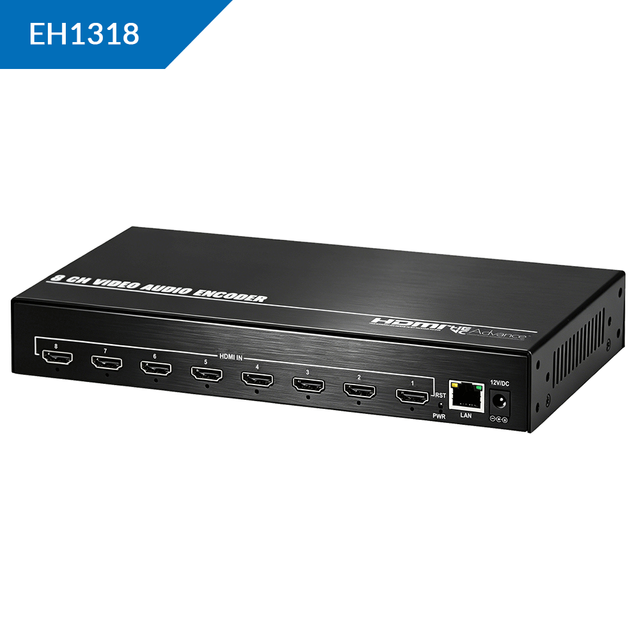
ZY-EH1318
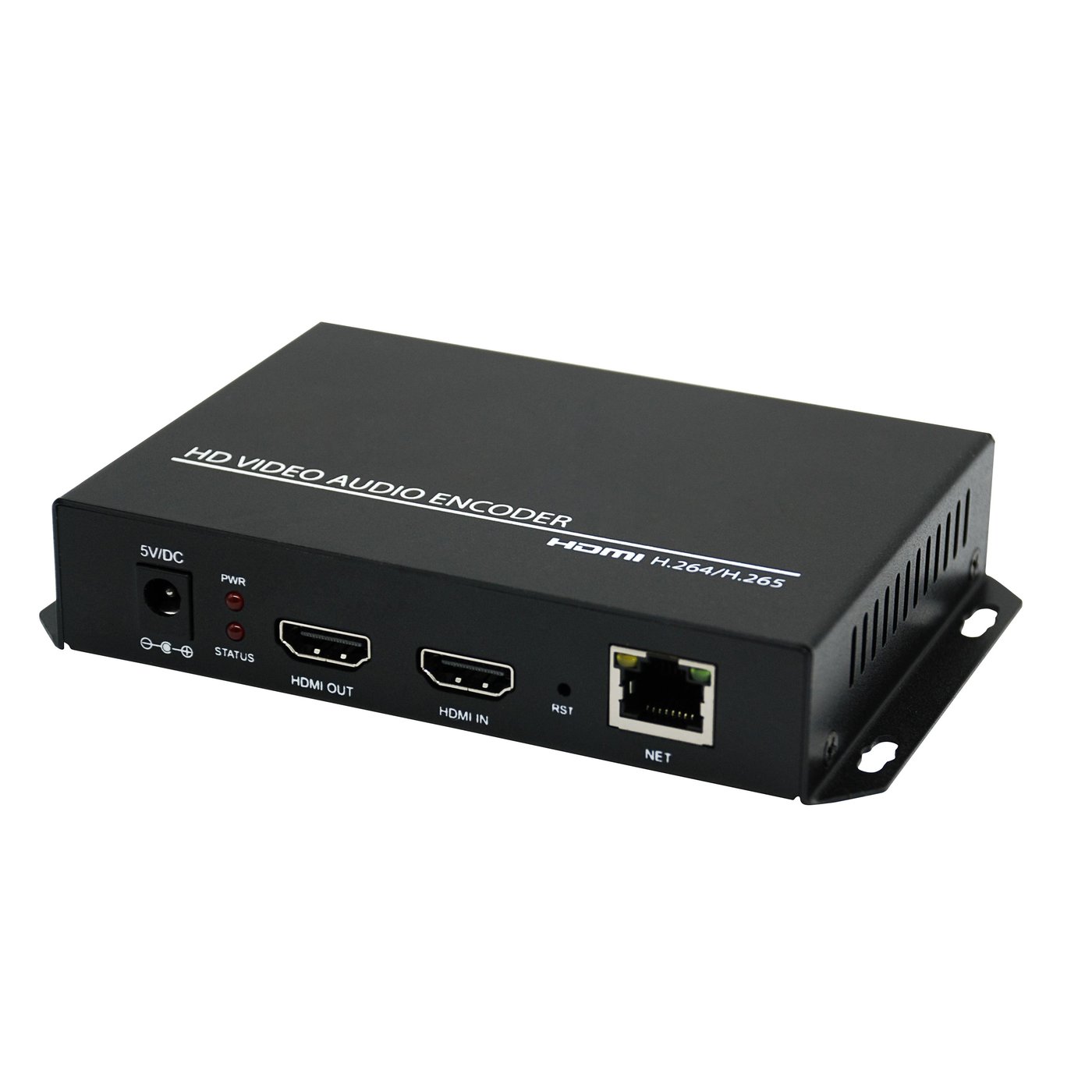
ZY-EH321
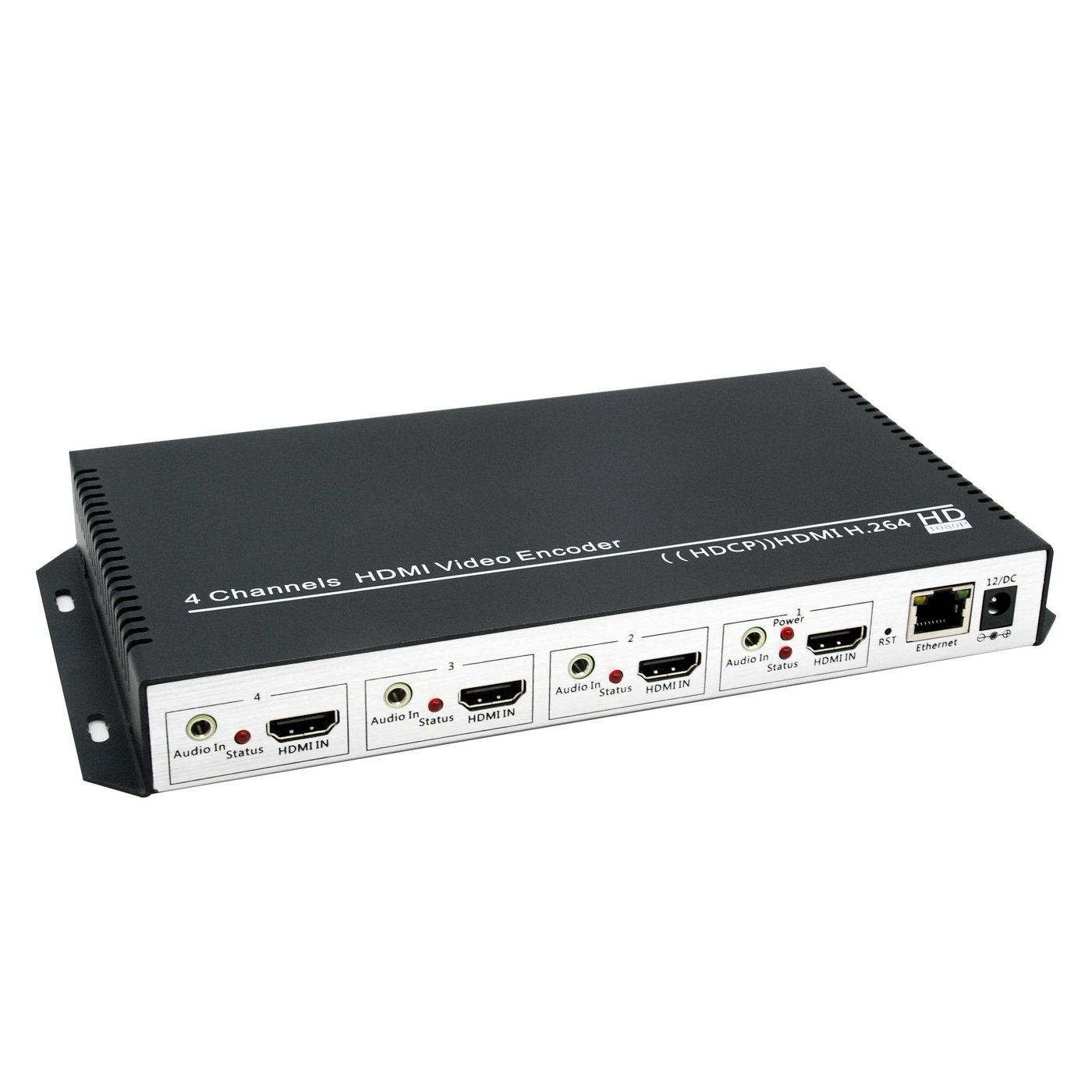
ZY-EH404
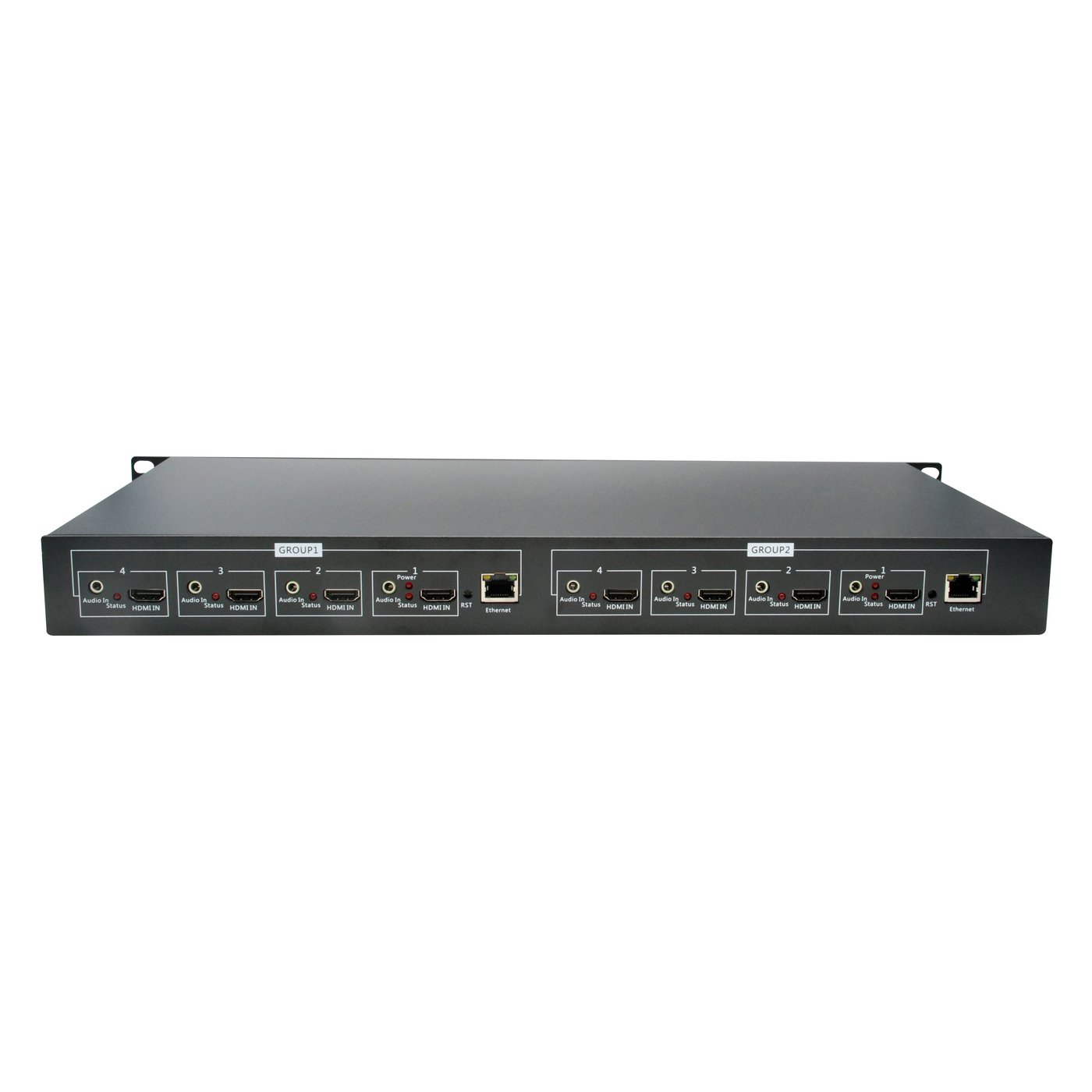
ZY-EH408
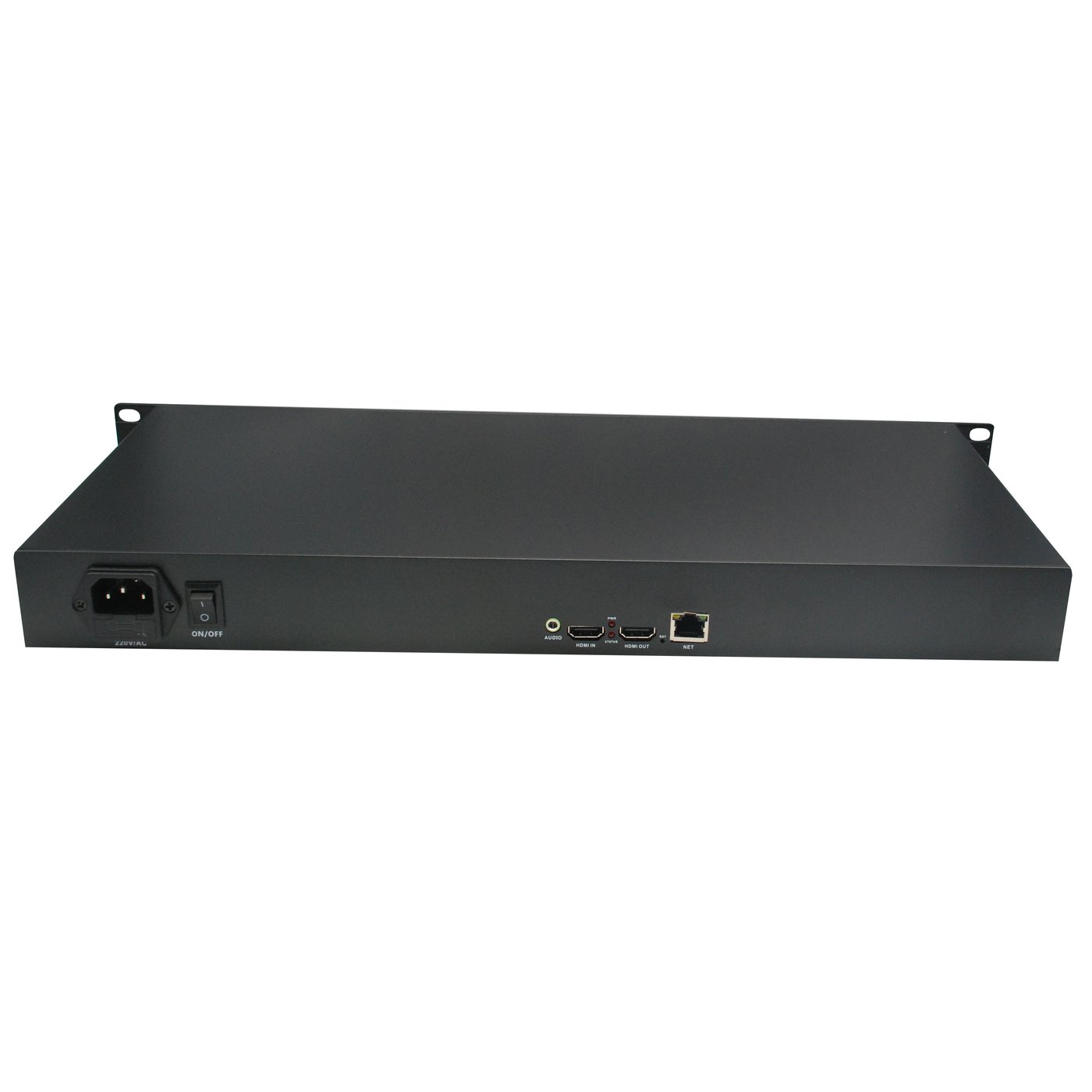
ZY-EH311-1U
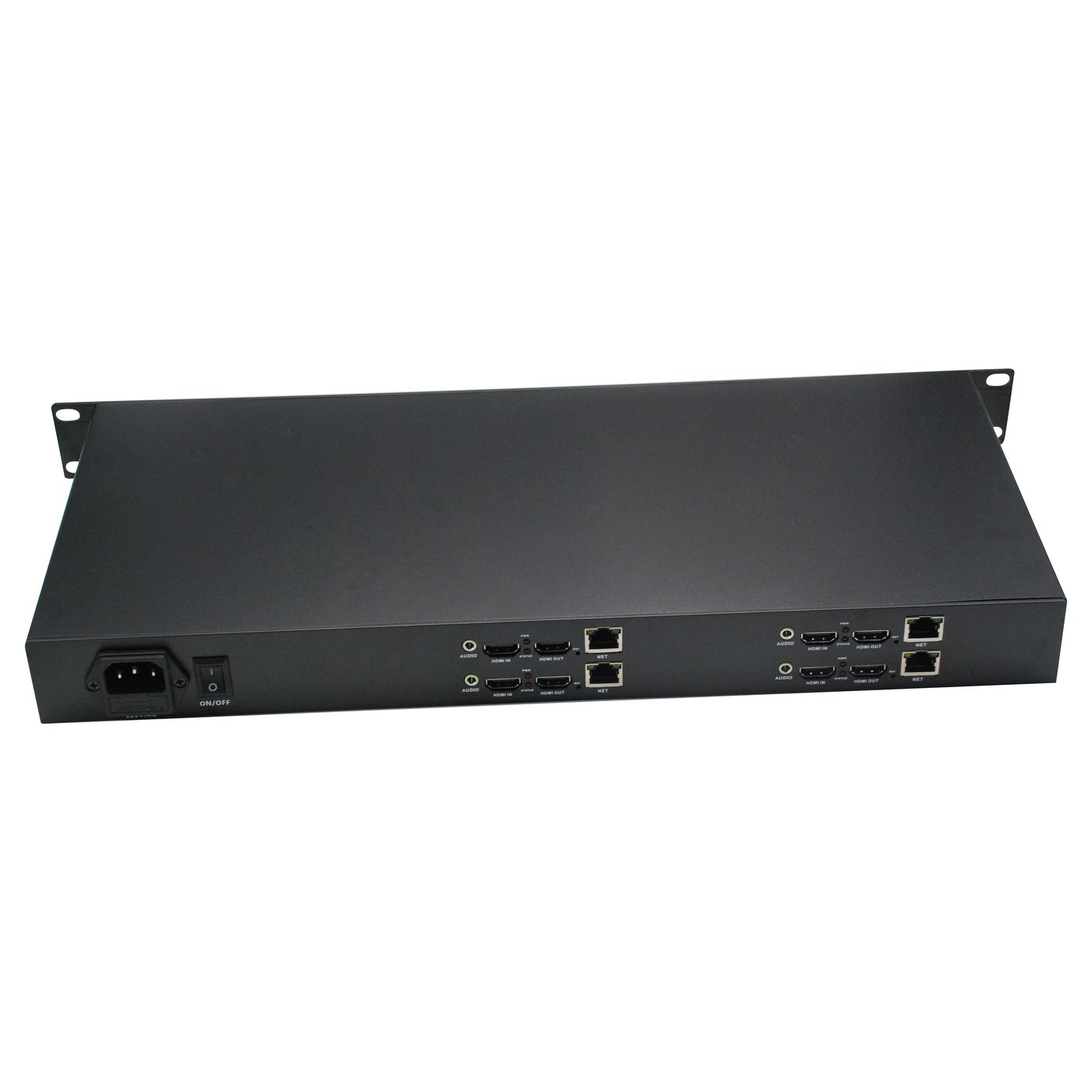
ZY-EH314-1U
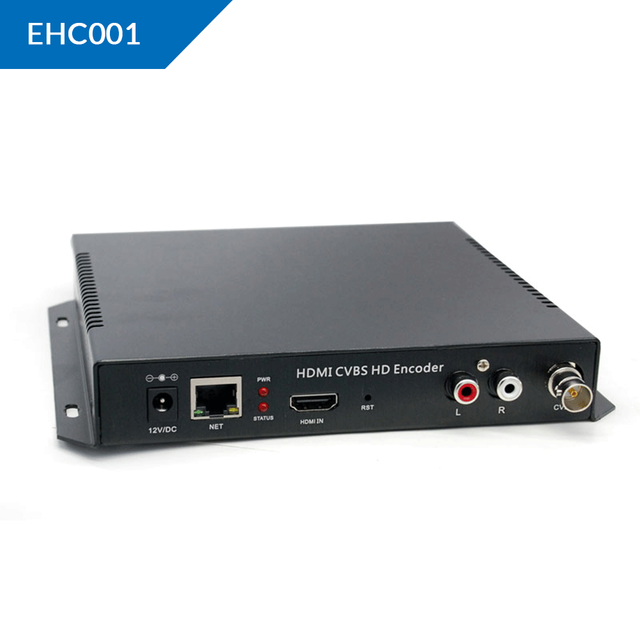
ZY-EHC001-3U
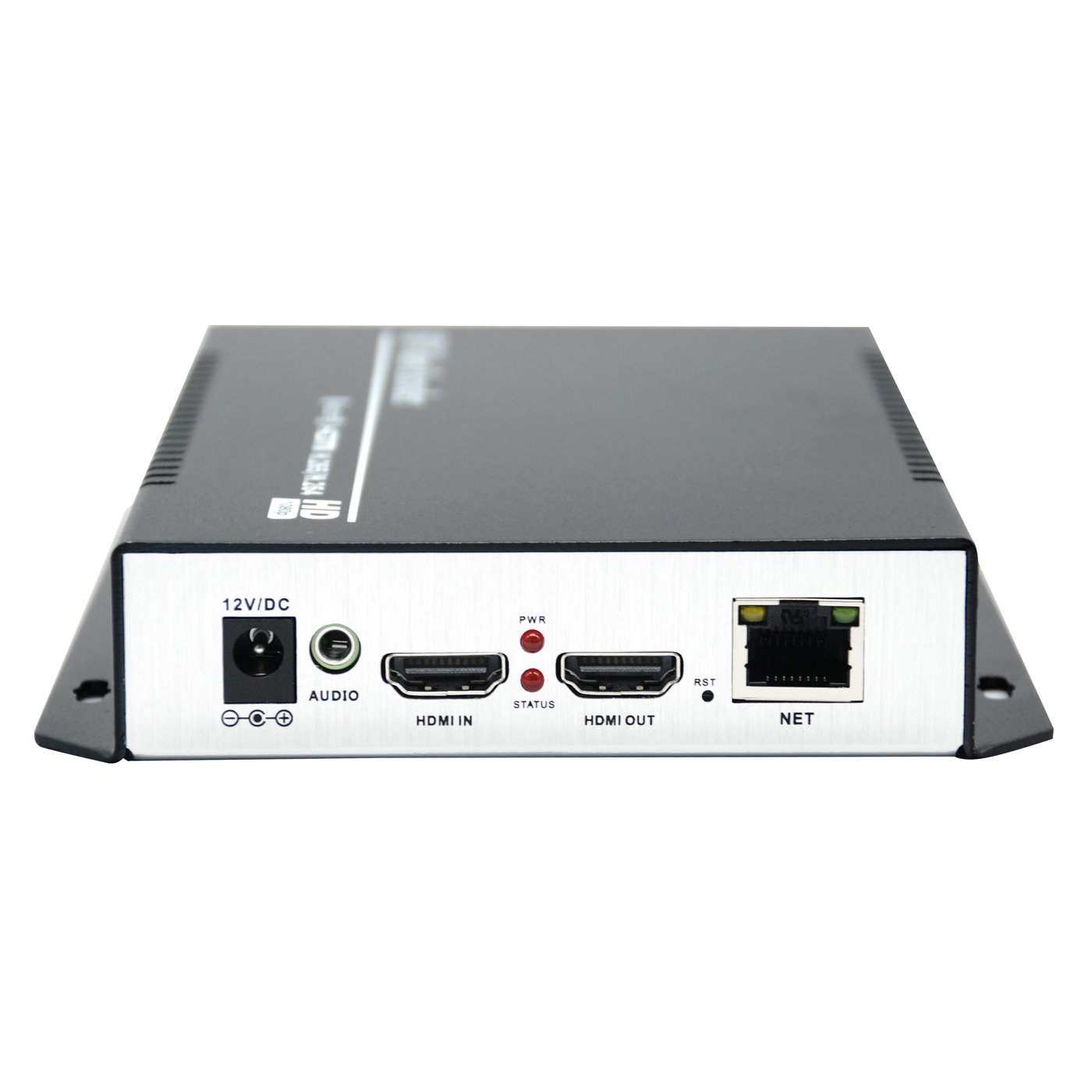
ZY-EH311
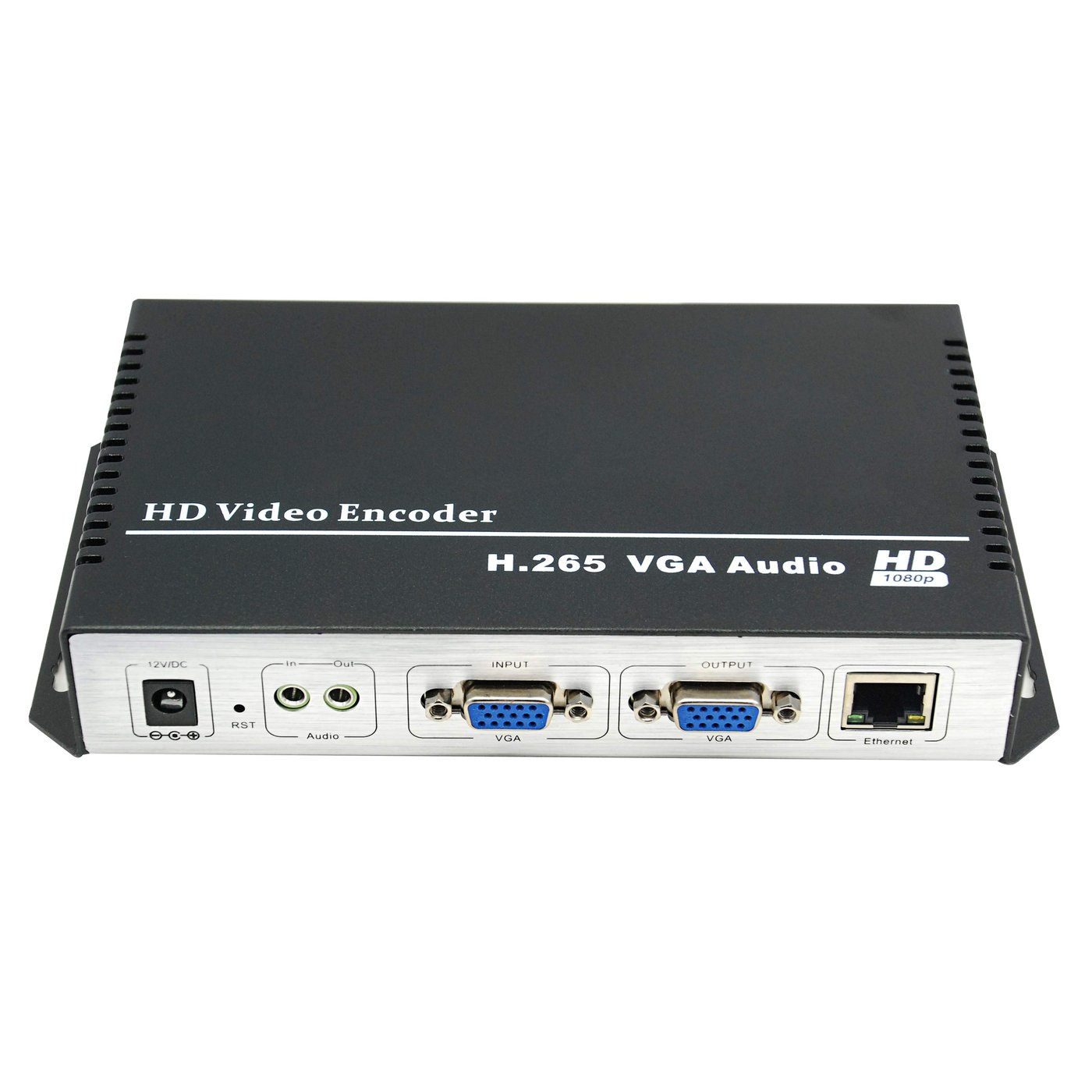
ZY-EV301
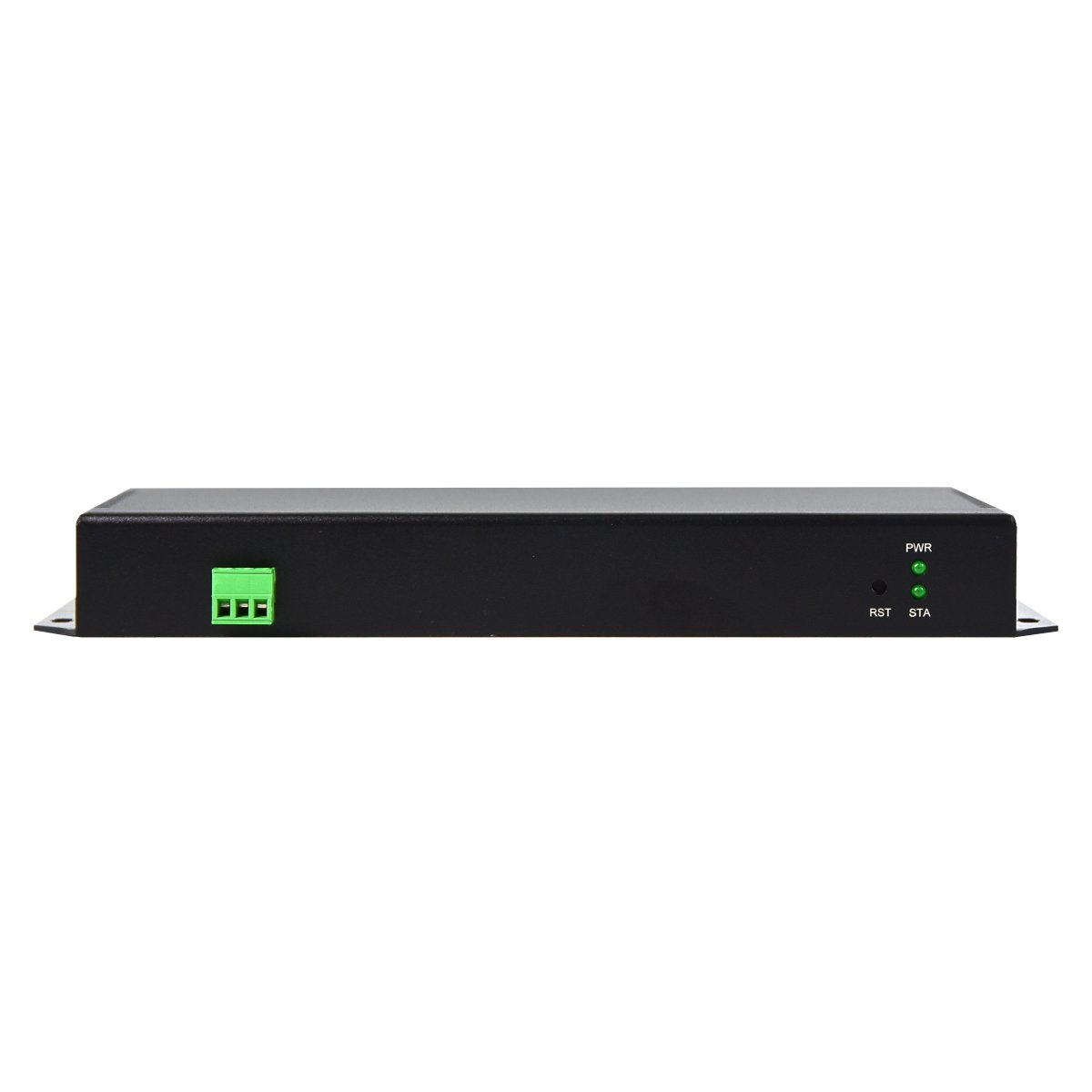
ZY-EHV1401
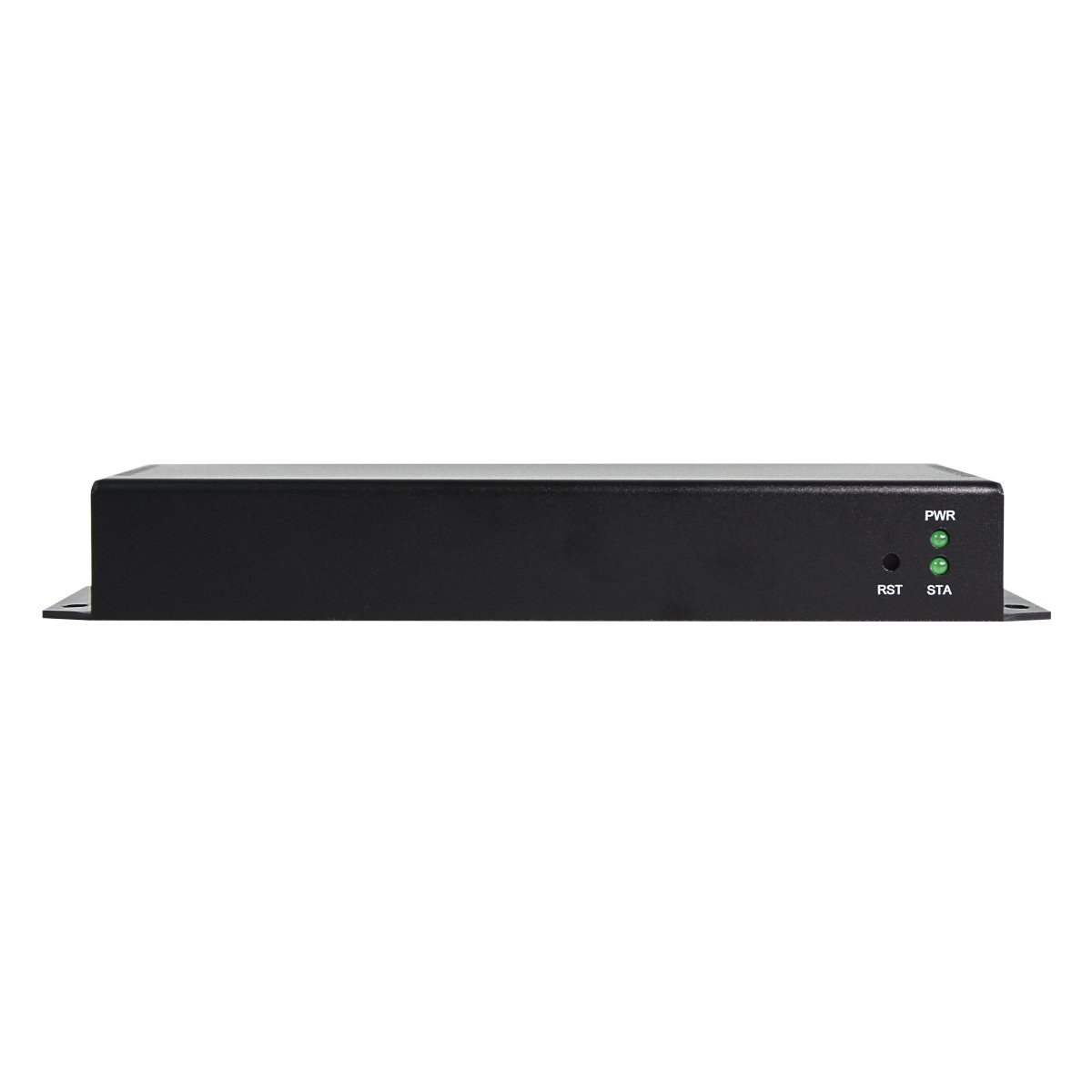
ZY-EV1401
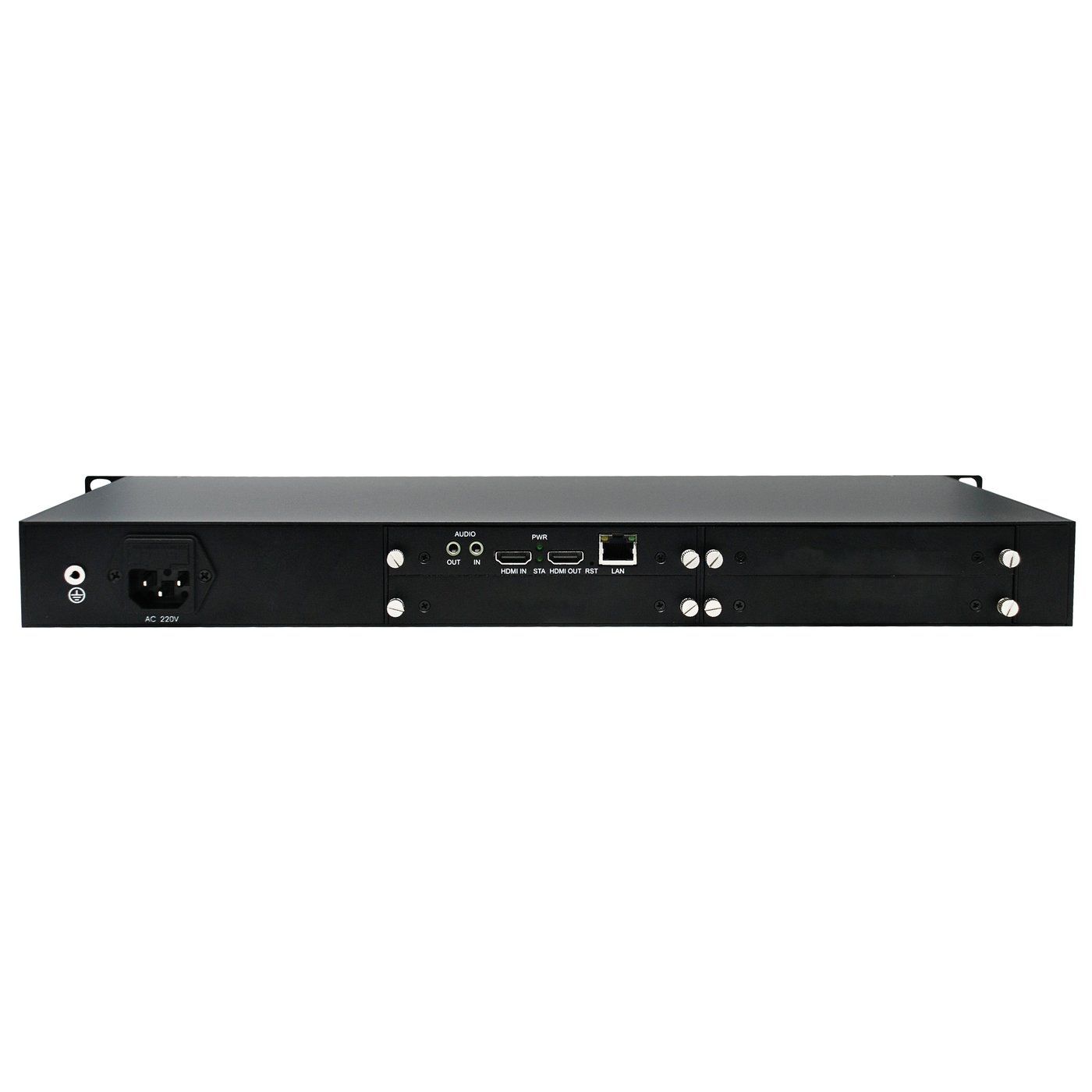
ZY-EHP1414
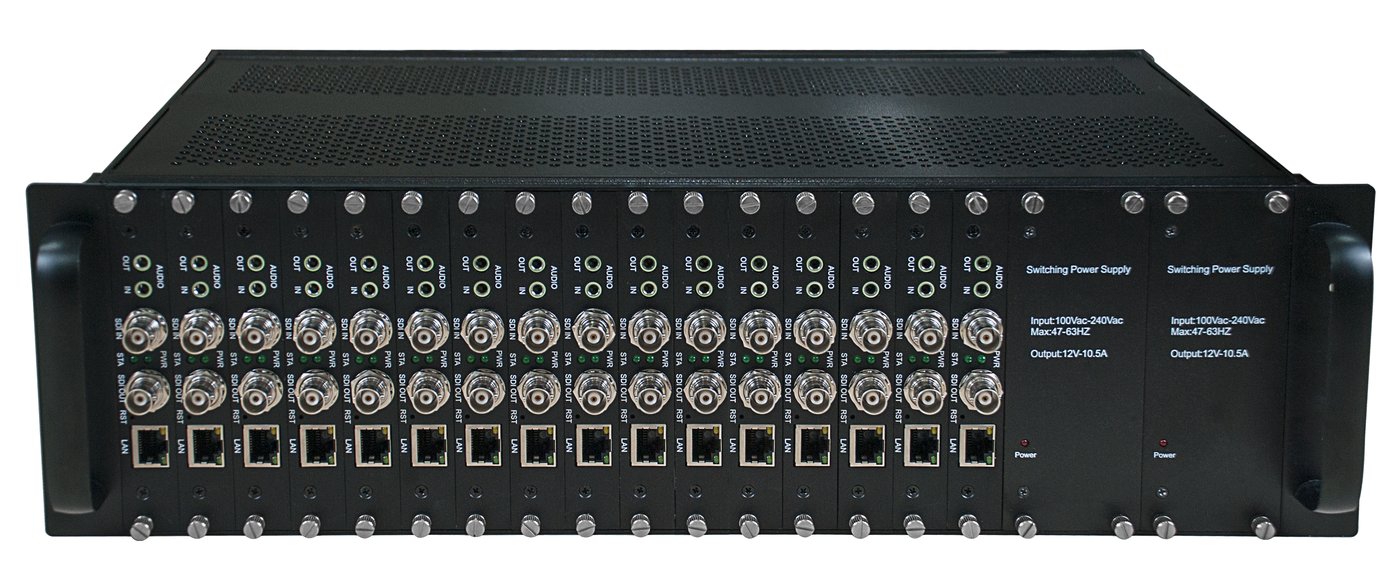
ZY-ES9116-3U
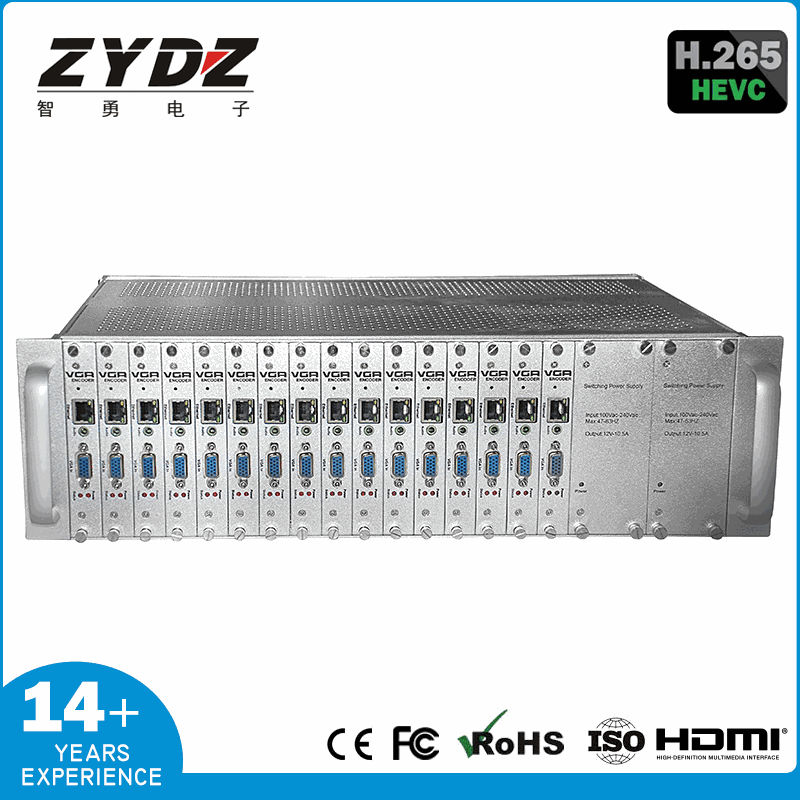
VGA-E2016-3U
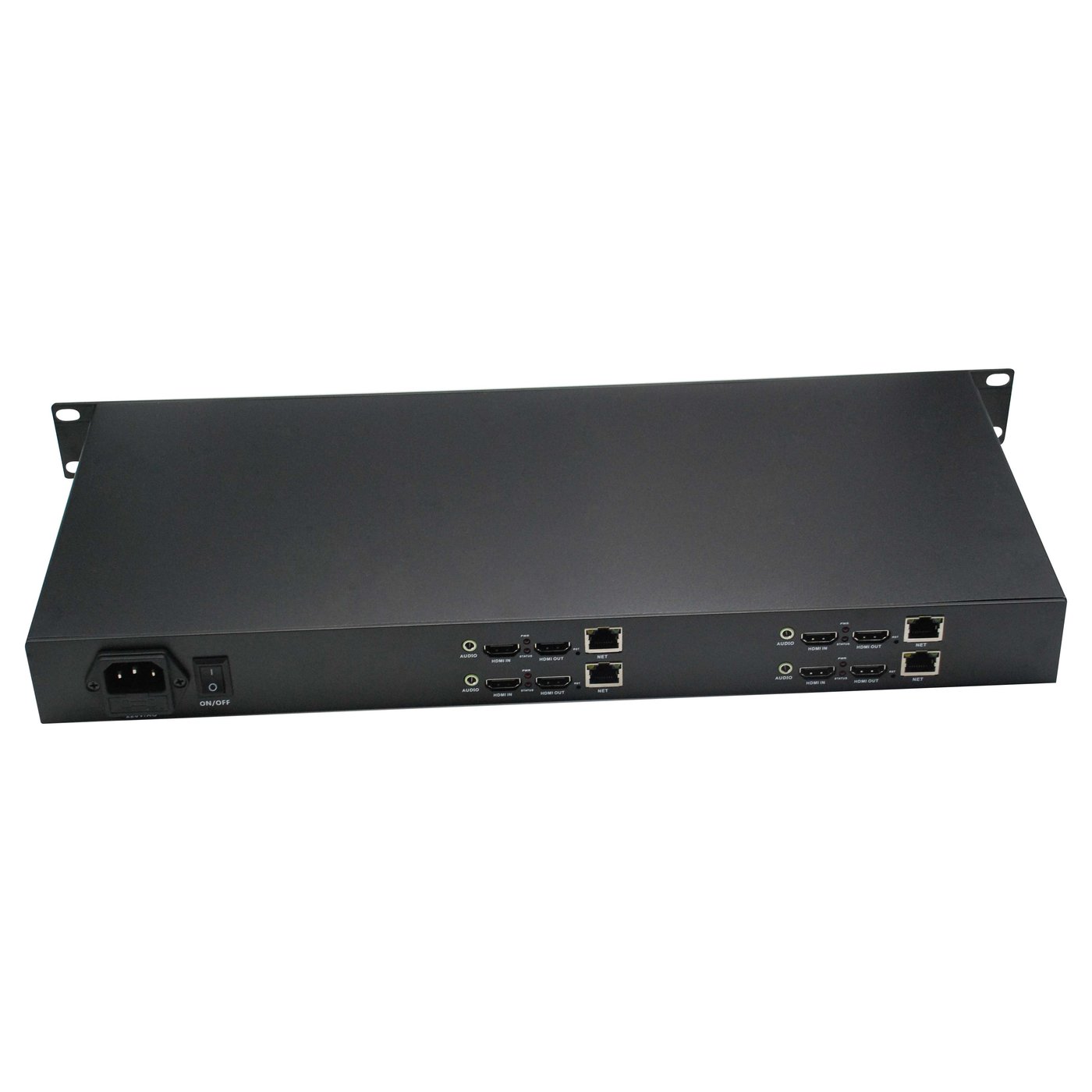
ZY-EH414
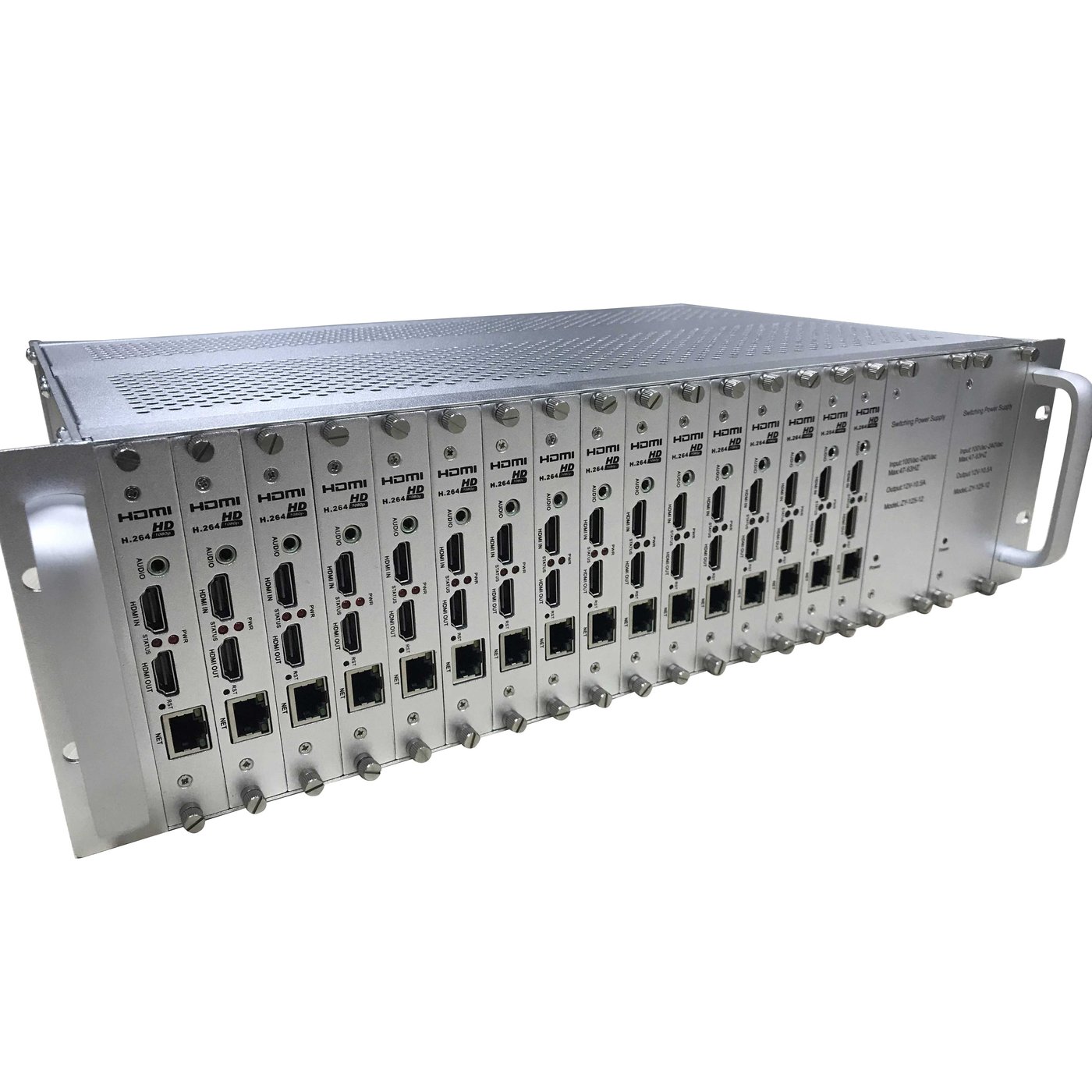
ZY-EH4116-3U
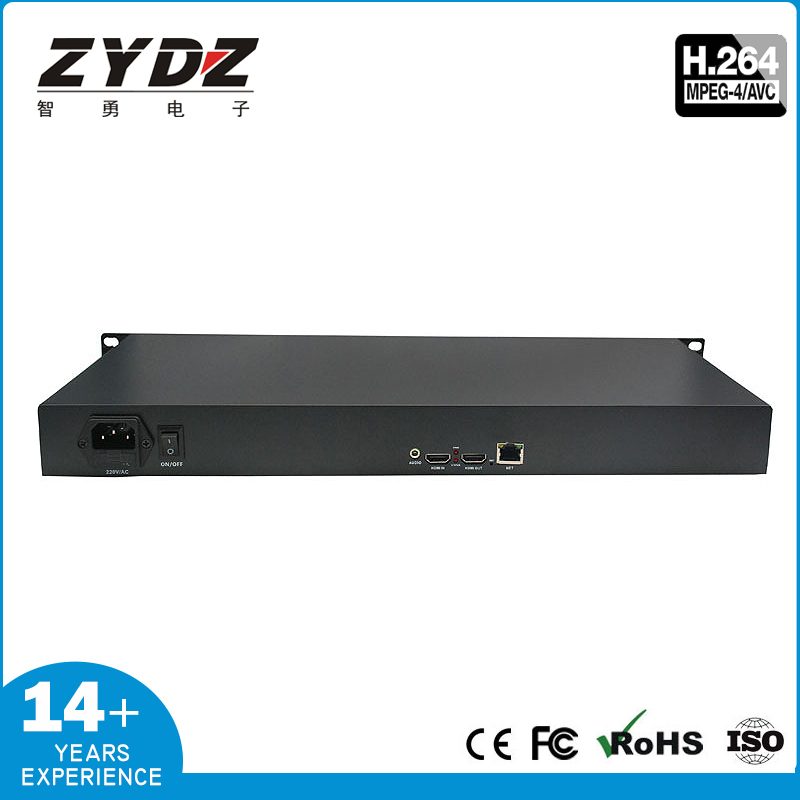
ZY-EH401-1U
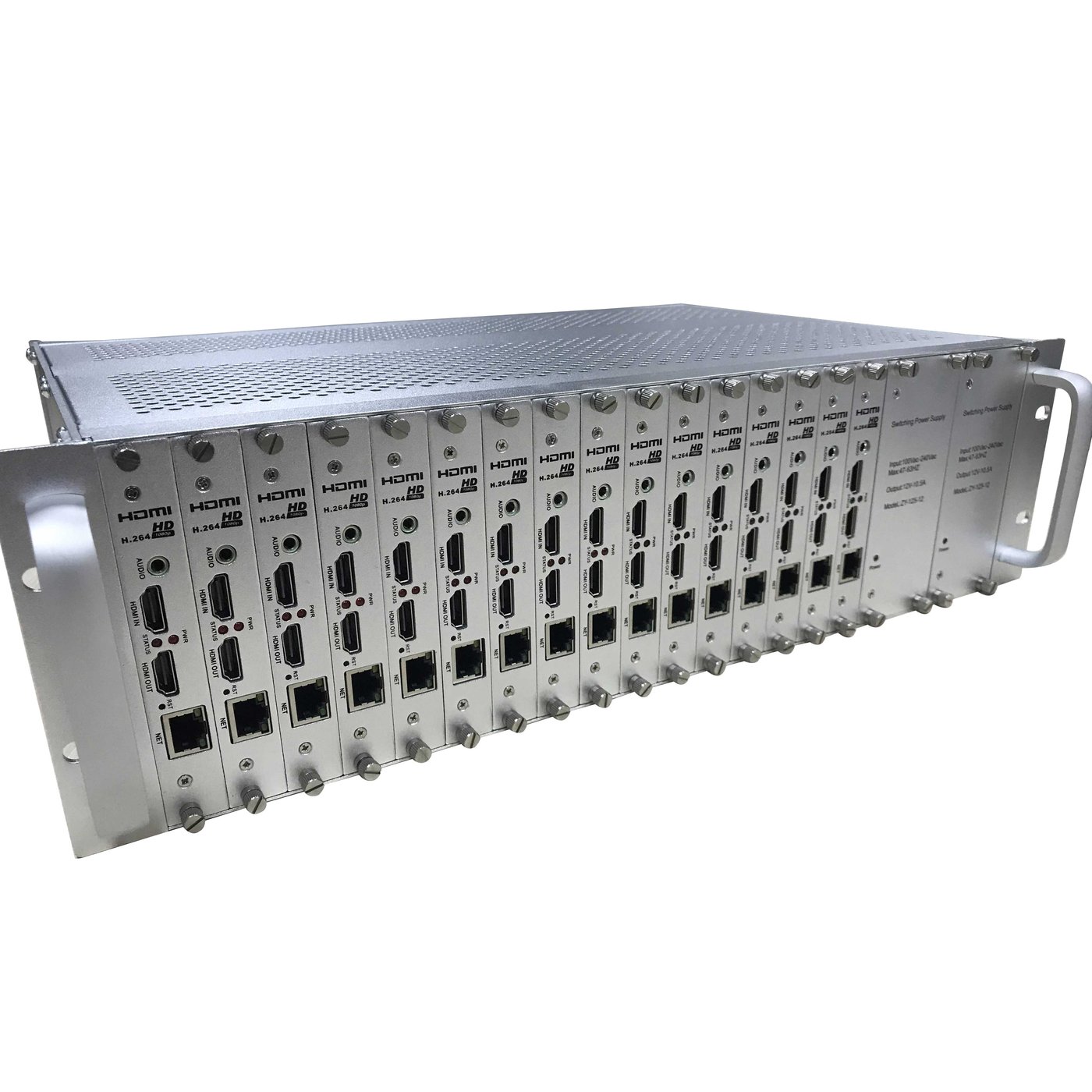
ZY-EH3116-3U
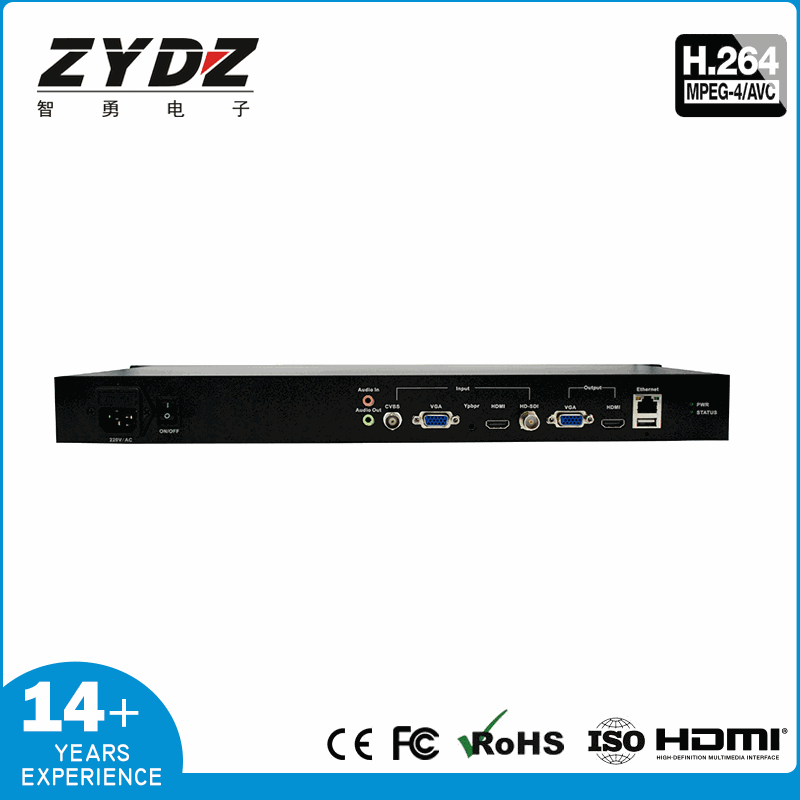
ZY-EQ501-1U
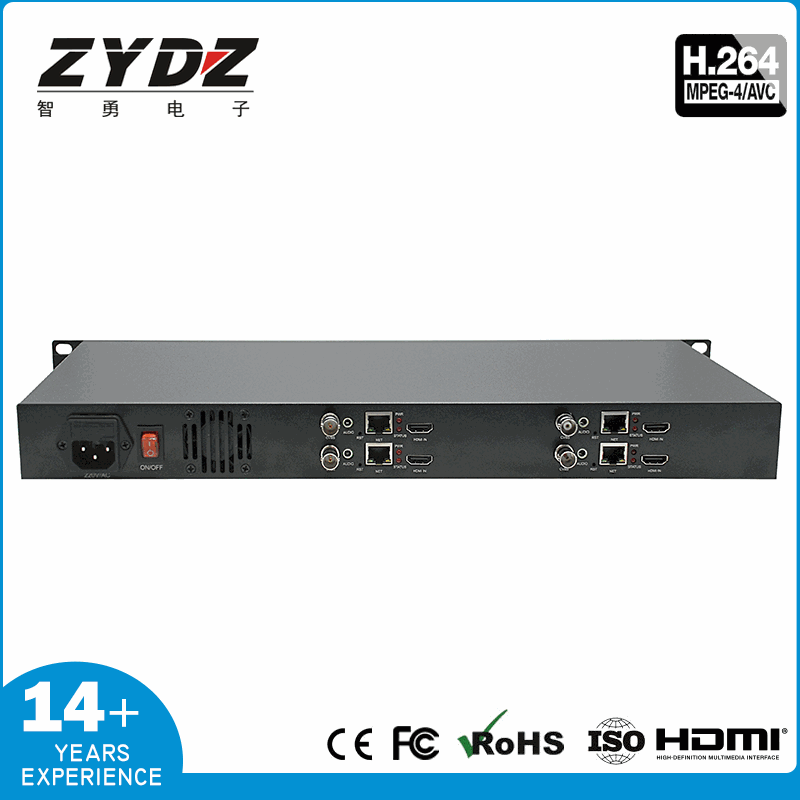
ZY-HDMI+CVBS-E-4
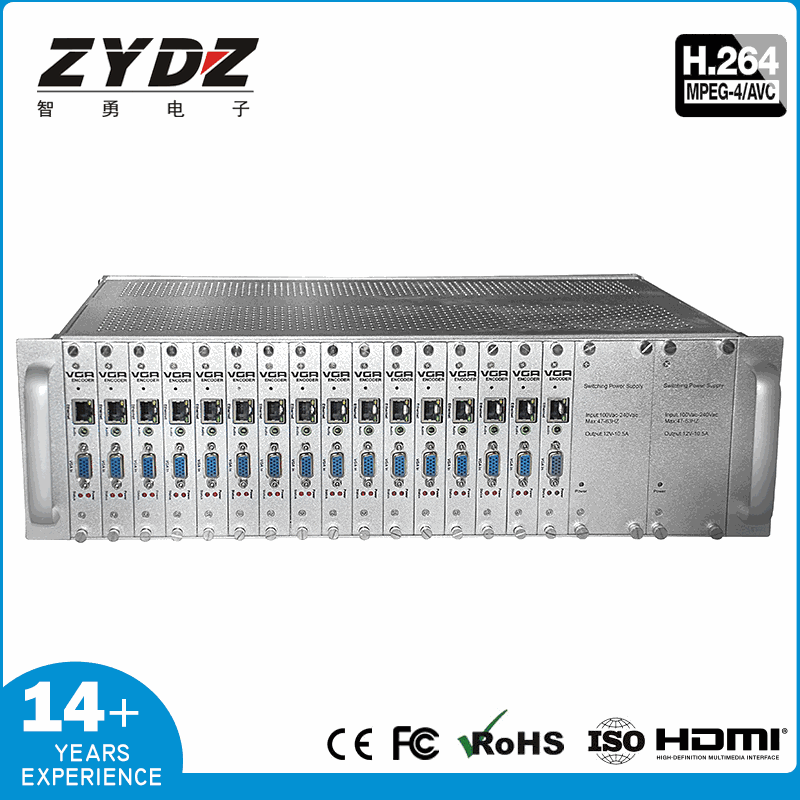
ZY-EV3116-3U
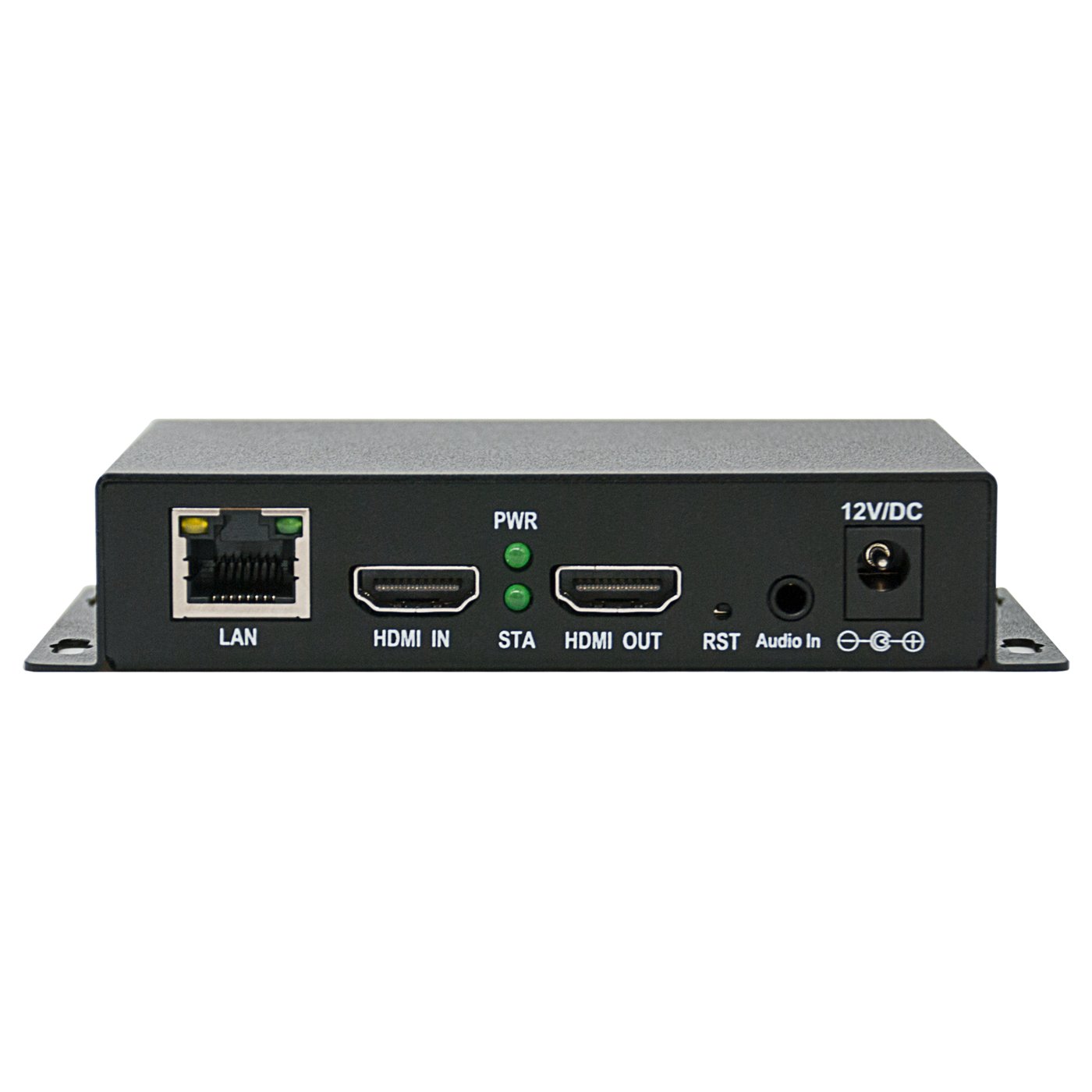
ZY-EH1201
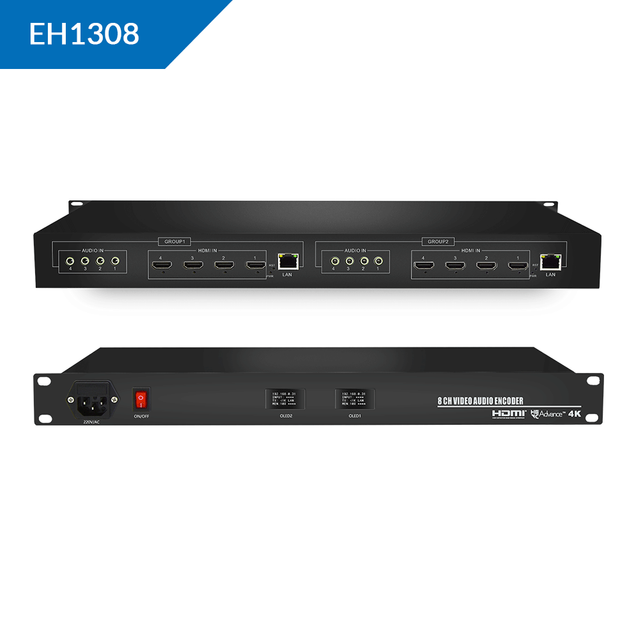
ZY-EH1308
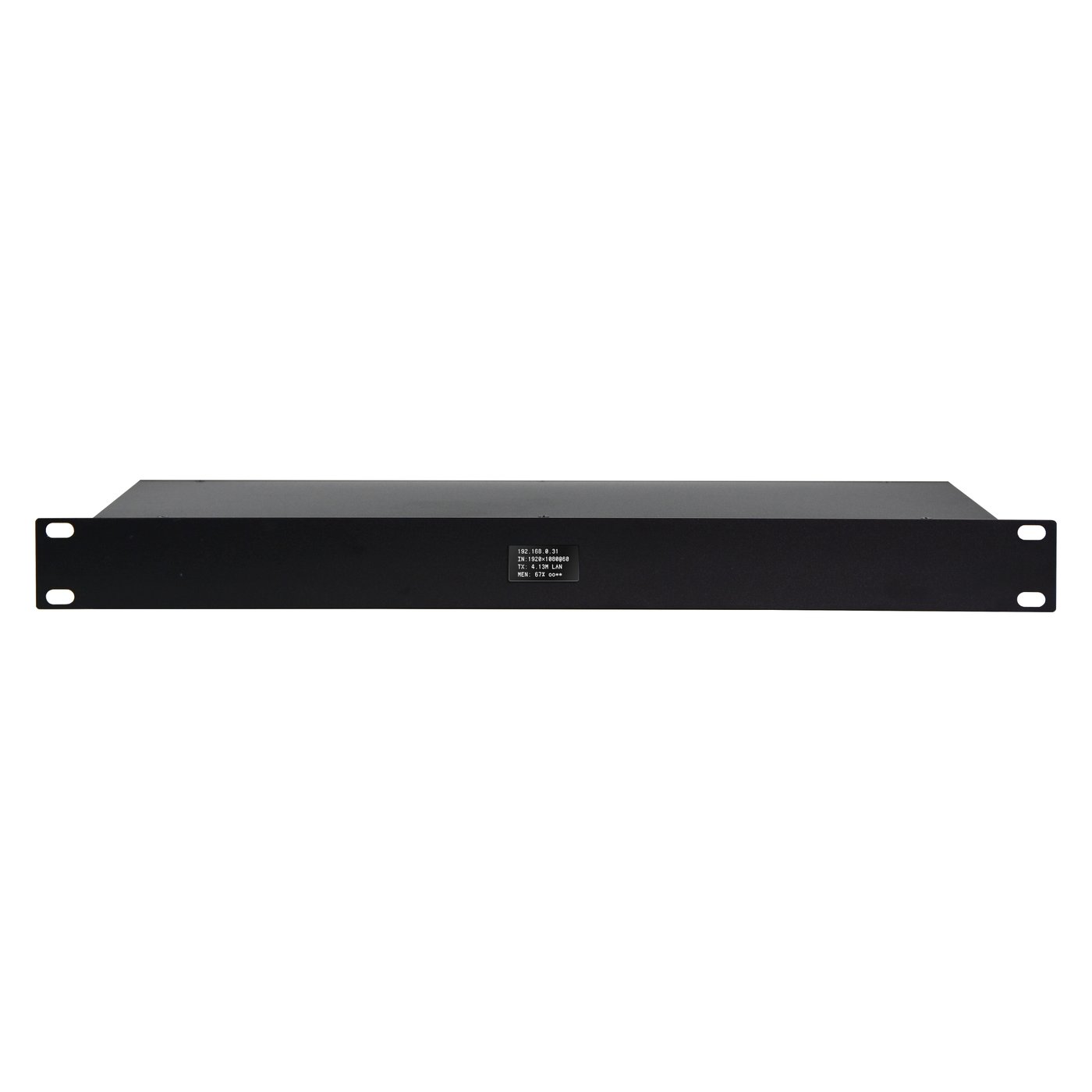
ZY-EH1411-1U
ZY-EH1211
An ONVIF encoder is one that a video management system can add the same way it adds an IP camera. That matters when the video has to land inside a platform the site already runs: the operator keeps one client, one recording schedule and one set of user rights instead of a second application that only shows the encoder stream.
ONVIF and GB28181 are registration and control interfaces, not ways of carrying the picture. The video still leaves the encoder as RTP over RTSP, or as RTMP, SRT, HTTP-FLV or HLS, which is why the two questions are asked separately: the platform decides which registration interface it wants, and the destination decides which delivery protocol to use. Most ORIVISION encoders answer both interfaces while also publishing RTSP, RTMP/RTMPS, SRT and HLS, so one unit can feed a VMS over ONVIF, a streaming platform over RTMP and a browser over HLS at the same time.
ONVIF and GB28181 are quoted on every HDMI, VGA and SDI encoder model in the range, from the single-channel units up to the 16-channel 3U chassis, so the interface is not the reason to choose one model over another. Choose on inputs, channels and resolution, then confirm the platform-side requirement: international VMS and NVR products generally ask for ONVIF, while platform-side and public-security projects ask for GB28181.
H.265 (HEVC) encoding can save about 50% of the bitrate compared to H.264, with lower bandwidth usage and smaller storage requirements at the same image quality. The ORIVISION H.265 encoder supports dual encoding of H.265 and H.264, so the same unit can serve players that only decode H.264.
RTMP, RTMPS, SRT, RTSP, HTTP-FLV and HLS. That covers push to YouTube, Twitch or any private RTMP or SRT server, pull into VLC, OBS or a VMS over RTSP, and playback in a browser over HLS without a plugin.
4K encoders are used for ultra high definition live streaming, medical surgery teaching, video conferencing, security monitoring and video wall distribution, and provide 3840 x 2160 at 30Hz picture quality.
Yes. ONVIF and GB28181 are both registration interfaces, so the encoder can be added to a video management system or an NVR as a camera rather than as a custom integration. RTSP, RTMP, SRT, HTTP-FLV and HLS stay available at the same time: ONVIF does not replace them, it gives the platform a way to find and control the stream.
Match the platform, not the encoder. ONVIF is what most international VMS and NVR products accept; GB28181 is the Chinese national standard and is what platform-side and public-security projects specify. ORIVISION encoders answer both, so the requirement comes from the software side.
Discovery and streaming are two separate steps. If the encoder appears in the device list with a black preview, the platform reached the device over ONVIF but cannot reach the media stream - usually because the media port is blocked between the VMS server and the encoder subnet, or because the stream path or credentials differ from what the platform guessed. Test the same RTSP URL in VLC from the VMS server before changing encoder settings.
Selection guidance for the questions that come up most often before a model is chosen.
From a single camera to a 16-channel rack: protocols, bitrate and interfaces explained before you choose a model
What SRT actually fixes, how to size the latency buffer, and which models ship with it
Where HEVC earns its keep on an HDMI encoder, where it costs you, and how to check what your encoder is really sending
Choose the channel count by counting streams, then size the network before you choose the chassis
Application scenarios this product line is specified into.
Stable pushes to public platforms and private CDNs from fixed venues
SDI and IP contribution, remote production and playout chains
Lecture recording, campus distribution and remote classroom delivery